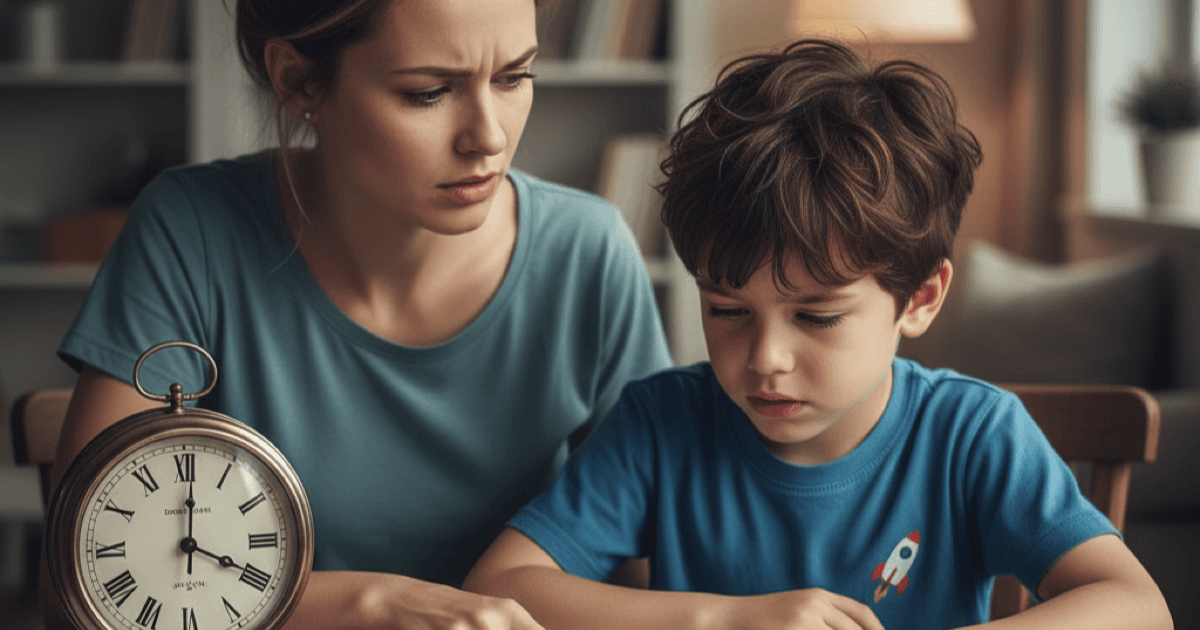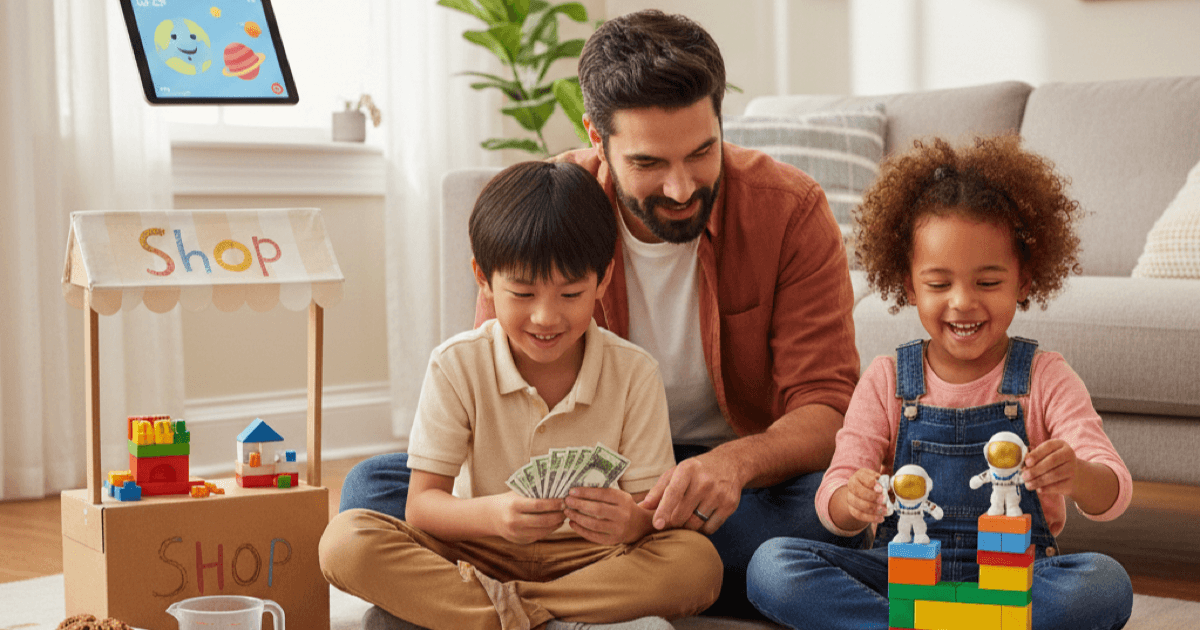
Here's a secret: children learn best when they don't realise they're learning. The moment maths feels like work, resistance sets in. But when it's wrapped up in a game, a trip to the shops, or a batch of chocolate chip cookies, suddenly numbers become fun.
As parents, we have countless opportunities throughout the day to sneak maths into everyday activities. Your child won't even notice they're practising addition, fractions, or problem-solving. They'll just think they're having a good time.
Here are ten brilliantly sneaky ways to teach your child maths at home, without a worksheet in sight.
1. Cooking and Baking Together
The kitchen is a maths playground. Recipes are full of measurements, fractions, and ratios. Ask your child to measure out 200g of flour, or work out what half of 150ml looks like. If you're doubling a recipe, let them calculate how much of each ingredient you'll need. Baking cookies involves counting, timing, and even temperature. Plus, there's a delicious reward at the end, which makes the whole exercise feel less like learning and more like quality time.
2. Shopping Trips
Whether it's the supermarket or a corner shop, shopping offers endless maths opportunities. Challenge your child to find the cheapest option by comparing prices per kilogram or per litre. Give them a budget and ask them to work out if you can afford everything in the basket. Let them calculate the change you'll get from a twenty-pound note. Older children can even work out percentages during sales: "If these trainers are 25% off, what's the new price?" They'll be doing real-world maths without even realising it.
3. Board Games and Card Games
Games like Monopoly, Uno, Yahtzee, and Snakes and Ladders are packed with maths. Counting spaces, adding dice rolls, managing money, and keeping score all build numerical fluency. Card games like Blackjack (or a child-friendly version) teach addition and probability. Even simple dice games encourage mental arithmetic. The competitive element keeps children engaged, and they'll happily practise their sums if it means they might win.
4. Building with LEGO or Blocks
Construction toys are brilliant for spatial reasoning, symmetry, and patterns. When your child builds a tower, ask them how many blocks tall it is. Challenge them to create a symmetrical design or copy a pattern. If they're building a house, talk about area: "How many square bricks do you need for the floor?" Older children can explore ratios by building to scale. It's hands-on, creative, and deeply mathematical, even if they just think they're playing.
5. Car Journeys
Long car trips can be boring, but they're also perfect for maths games. Play number plate bingo: spot plates with certain digits or add up the numbers you see. Ask your child to estimate how long the journey will take, then calculate how much time is left. Count red cars, then blue cars, then compare: "How many more red cars did we see?" Older children can work out average speed or calculate fuel efficiency. It passes the time and keeps their brains ticking over.
6. Sport and Outdoor Play
Whether it's football in the garden or a trip to the park, sport is full of maths. Keep score during a game and let your child update the tally. Time how fast they can run to the end of the garden and back, then challenge them to beat their record. Measure how far they can throw a ball. If they're cycling, work out the distance they've covered. Sport makes maths physical and active, which is perfect for children who learn best by doing rather than sitting still.
7. Pocket Money and Saving
Money is one of the most practical ways to teach maths. Give your child a small amount of pocket money each week and help them keep track of it. If they're saving for a toy, work out how many weeks it will take. Talk about percentages: "If you save 10% of your pocket money each week, how much will you have by the end of the month?" Let them make spending decisions and learn from their mistakes. It's real-life budgeting, and the lessons stick because it's their own money on the line.
8. Telling the Time
In a world of digital screens, analogue clocks can be tricky. But learning to read a clock face is a brilliant maths skill. Ask your child what time it is throughout the day. Work out durations: "If we leave at 3:15 and it takes 40 minutes, what time will we arrive?" Set timers for activities and let them watch the countdown. Talk about half past, quarter to, and quarter past. The more they practise, the more confident they'll become, and time-telling is something they'll use every single day.
9. Setting the Table
This simple chore is secretly a maths lesson. Ask your child to set the table for dinner: one plate, one fork, one cup per person. That's one-to-one correspondence. If there are six people and twelve sausages, how many does each person get? That's division. Cutting a pizza into slices introduces fractions: "If we cut it into eight slices, what fraction does each person get?" It's practical, it's daily, and it reinforces core maths concepts without feeling like schoolwork.
10. Playing Shopkeeper
Set up a pretend shop at home with real coins (or toy money if you prefer). Let your child be the shopkeeper, pricing items and making change. You can be the customer, buying things and handing over coins. They'll practise addition, subtraction, and even multiplication if they're selling multiple items. Role play makes maths feel like fun, and handling real money builds confidence. Older children can even learn about profit margins: "If you buy something for 50p and sell it for £1, how much profit do you make?"
The Power of Sneaky Learning
These everyday activities prove that maths doesn't have to happen at a desk. When children encounter numbers in the real world, they see why maths matters. They develop a positive relationship with the subject, free from anxiety or pressure. And because they're learning through play, exploration, and everyday tasks, the lessons stick.
Of course, there's also a place for structured learning. While these activities build a strong foundation and a maths-positive mindset, a curriculum-based approach helps ensure your child is covering all the skills they need for school. That's where Mathsonaut comes in. It picks up where play leaves off, offering guided practice aligned with the UK National Curriculum, with instant feedback and a space adventure theme that keeps children motivated.
But whether you're baking, shopping, or playing board games, remember: you're already teaching your child maths. You're just doing it in the sneakiest, most effective way possible.